
Storm Damage Protection Starts With the Right Coverage
Storm damage protection means preparing your home before severe weather, knowing what your policy covers, and taking fast steps to limit additional damage afterward. Review your deductible and exclusions now, keep a photo inventory of your belongings, secure roofs, windows, gutters, and outdoor items, and buy separate flood insurance if your home could be damaged by rising water. Standard homeowners insurance often covers sudden wind, hail, and water entering through a storm-damaged roof or window, but it usually does not cover flood damage from surface water.
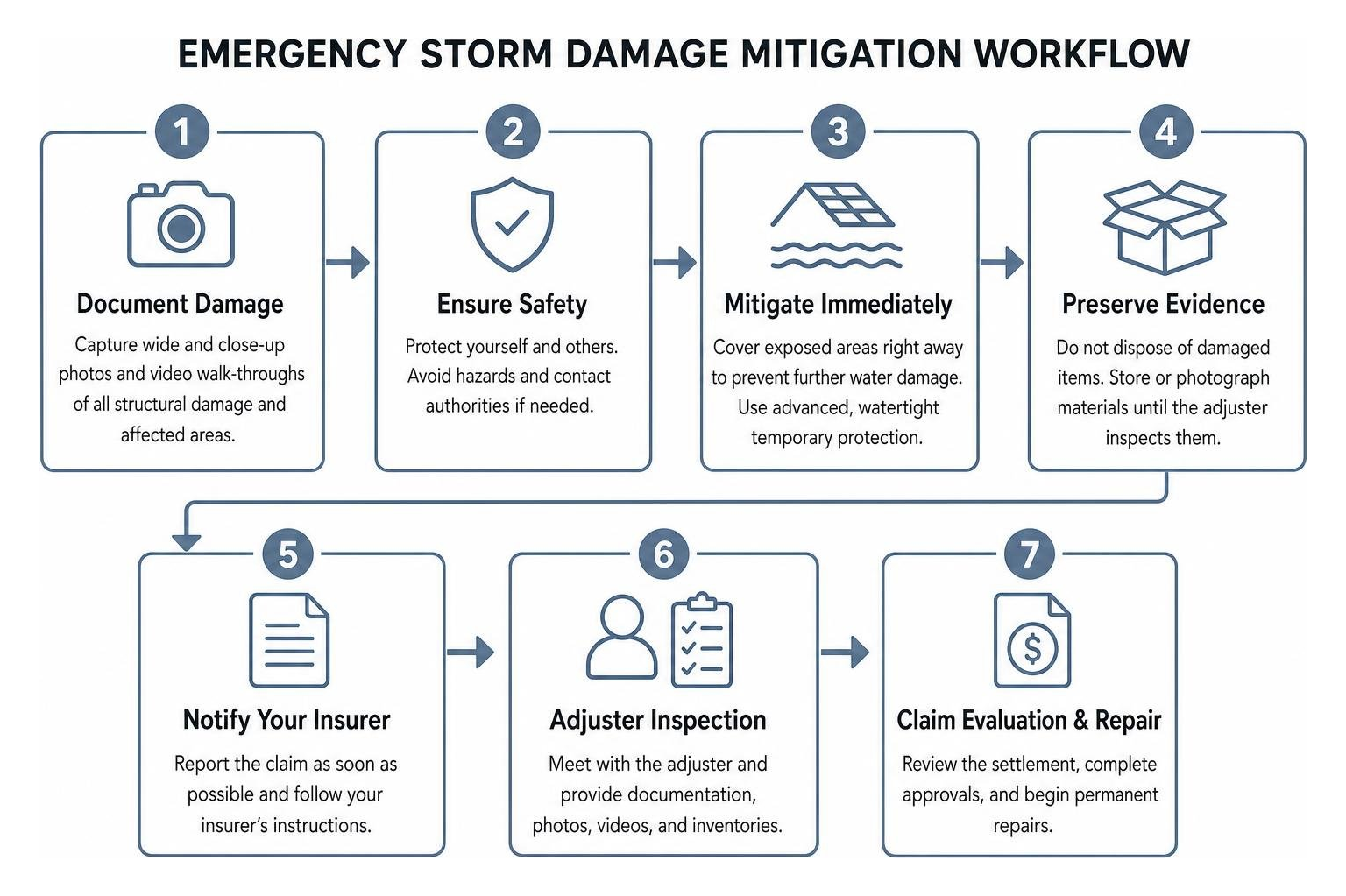
After a storm, prioritize safety, take photos and video before cleanup, make reasonable temporary repairs to stop further loss, save every receipt, and report the claim promptly. Clear records can make the difference when an insurer must determine whether water came from a covered structural opening or an excluded flood event.
I’m Shawn Beihl, an insurance professional with more than 15 years of experience in specialty insurance, commercial property and casualty coverage, benefits, and risk management. My work in Storm damage protection focuses on helping people identify exposure, understand coverage, and build practical loss-control plans before a costly event occurs.
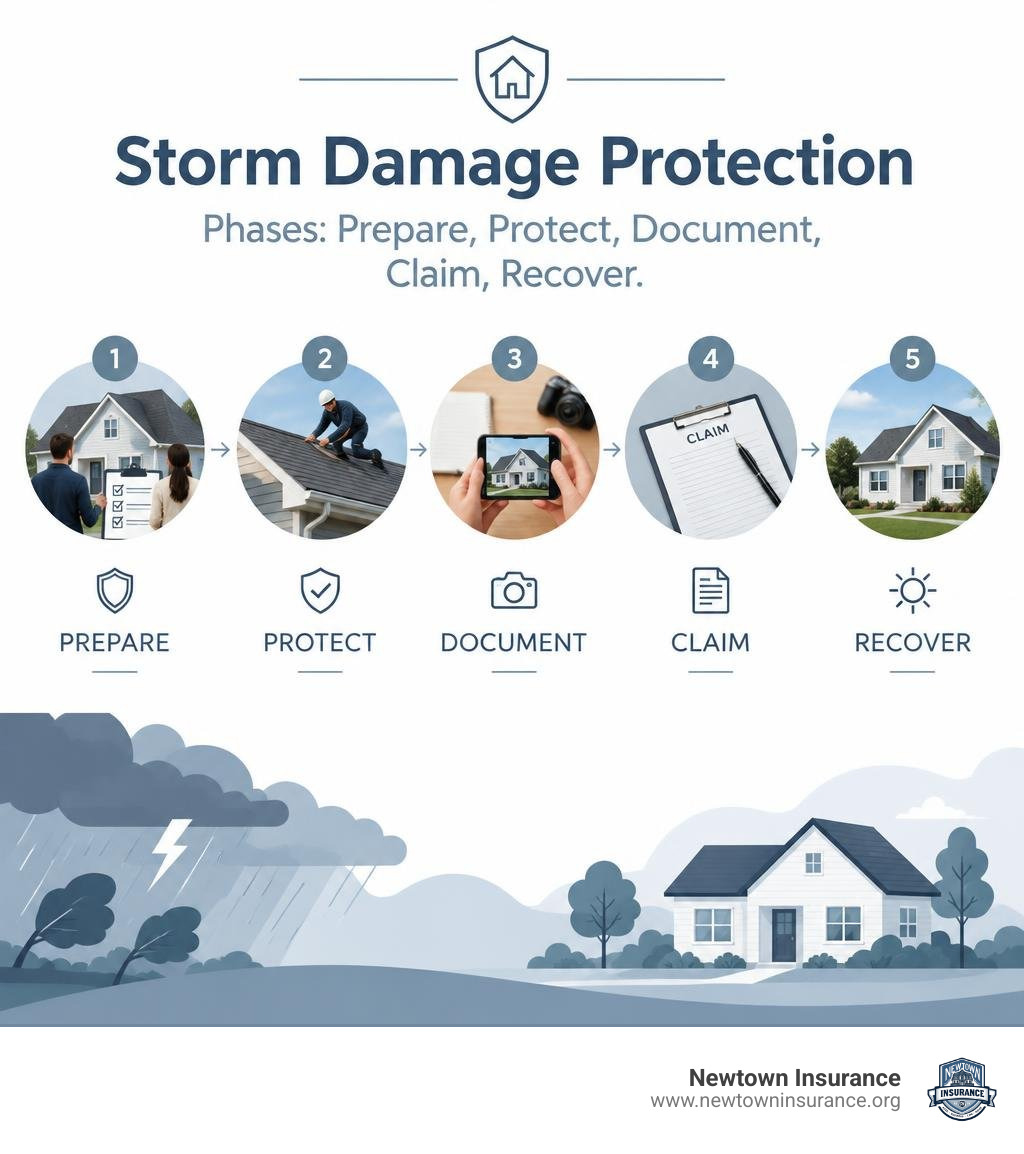
Storm damage protection word list:
Understanding Your Coverage: Flood Damage vs. Storm-Related Water Damage
When high winds howl and rain batters your neighborhood, water finds every microscopic path of resistance. One of the greatest challenges homeowners face when filing claims is understanding how insurance companies classify water intrusion. Standard policies draw a strict contractual line between water that falls from above and water that rises from below.
Misinterpreting these definitions can lead to unexpected claim denials during an already stressful period. To build proper resilience, reviewing a comprehensive Pennsylvania homeowners insurance guide helps clarify standard protections and key policy exclusions before severe weather arrives.
| Feature / Scenario | Standard Homeowners Insurance | Flood Insurance (NFIP / Private) |
|---|---|---|
| Wind-Driven Rain via Damaged Roof | Covered (Top-Down Perforation) | Excluded |
| Overland Surface Water Inundation | Excluded | Covered |
| Storm Surge / Overflowing River | Excluded | Covered |
| Sewer Backup (without endorsement) | Typically Excluded | Excluded (Unless caused directly by general flood) |
| Broken Window Water Intrusion | Covered (Sudden & Accidental) | Excluded |
Rising Water vs. Top-Down Structural Breaches
The core distinction between covered storm-related water damage and excluded flood damage hinges on how the water enters the building envelope.
Top-down structural breaches occur when a covered storm peril—such as severe wind gusts, hail, or a fallen tree limb—physically damages the exterior of your home. If gale-force winds rip shingles off your roof or shatter a living room window, allowing rain to pour inside, your standard homeowners policy generally covers the resulting interior structural damage and ruined personal belongings. The proximate cause is the storm peril that created the structural opening.
Conversely, flood damage involves rising surface water that inundates normally dry land. Federal Emergency Management Agency (FEMA) guidelines define a flood as a general and temporary condition of partial or complete inundation of two or more acres of normally dry land area, or of two or more properties (at least one of which is your property). If a nearby creek overflows, street stormwater drains back up across your lawn, or heavy rain pools against your foundation and seeps through basement windows, standard homeowners insurance will not pay for the damage.
National Flood Insurance Program (NFIP) and Policy Waiting Periods
Because standard property coverage excludes rising water, securing a separate policy through the National Flood Insurance Program (NFIP) or a private flood underwriter is crucial for comprehensive property defense. The NFIP protects over 4.7 million policyholders nationwide and manages nearly $1.3 trillion in flood exposure across more than 22,600 participating communities.
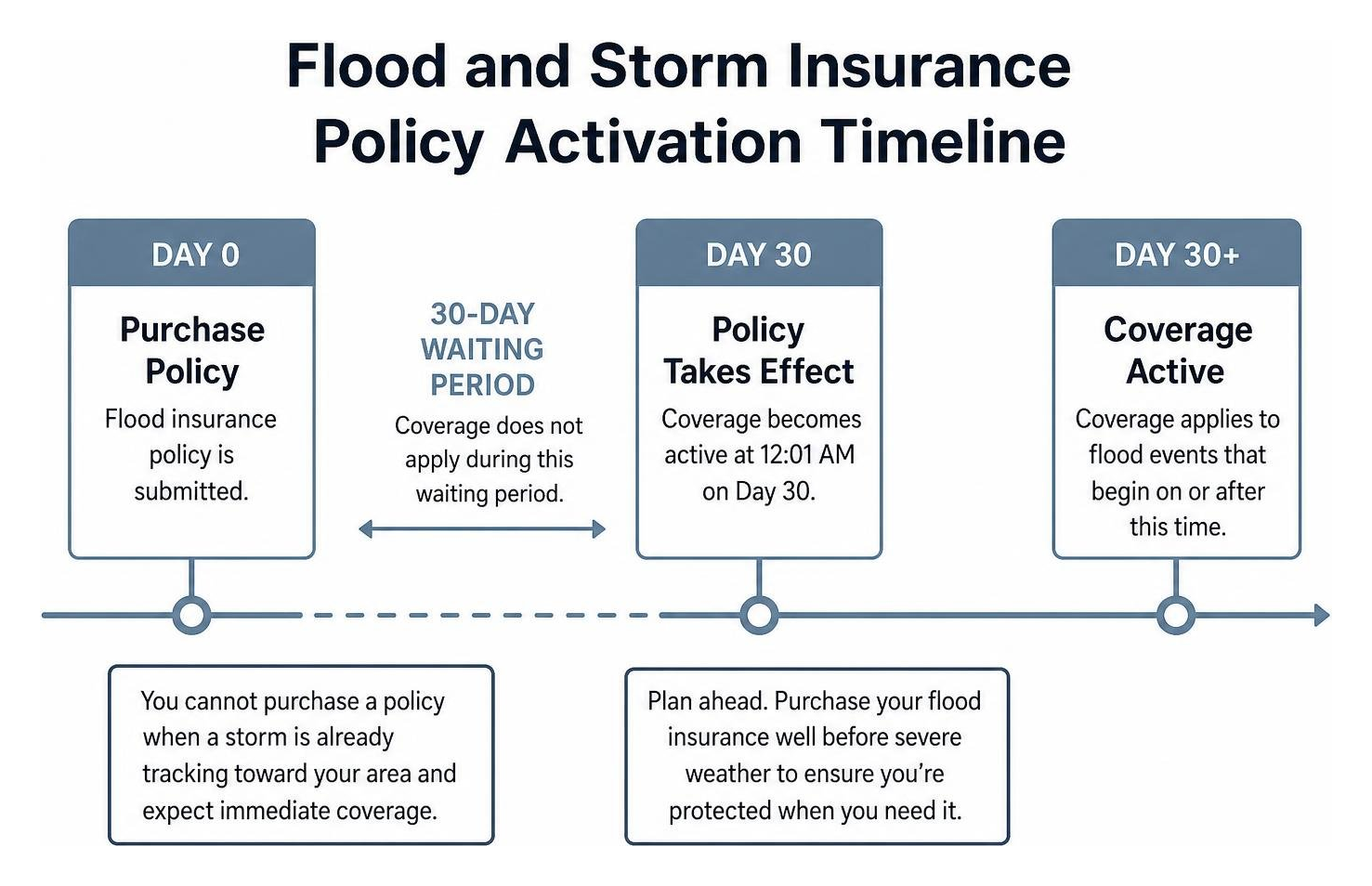
A vital detail often overlooked is the mandatory 30-day waiting period for NFIP policies to take effect. You cannot purchase a policy when a storm is already tracking toward your township and expect immediate coverage. The state insurance department storm advisory routinely reminds residents to assess their flood risk and secure necessary endorsements well ahead of seasonal weather patterns.
Essential Storm Damage Protection Strategies Before Severe Weather Hits
Physical mitigation and financial preparation go hand in hand. Strengthening your home’s exterior reduces the likelihood of structural failure, keeping your family safe and preventing costly claims.
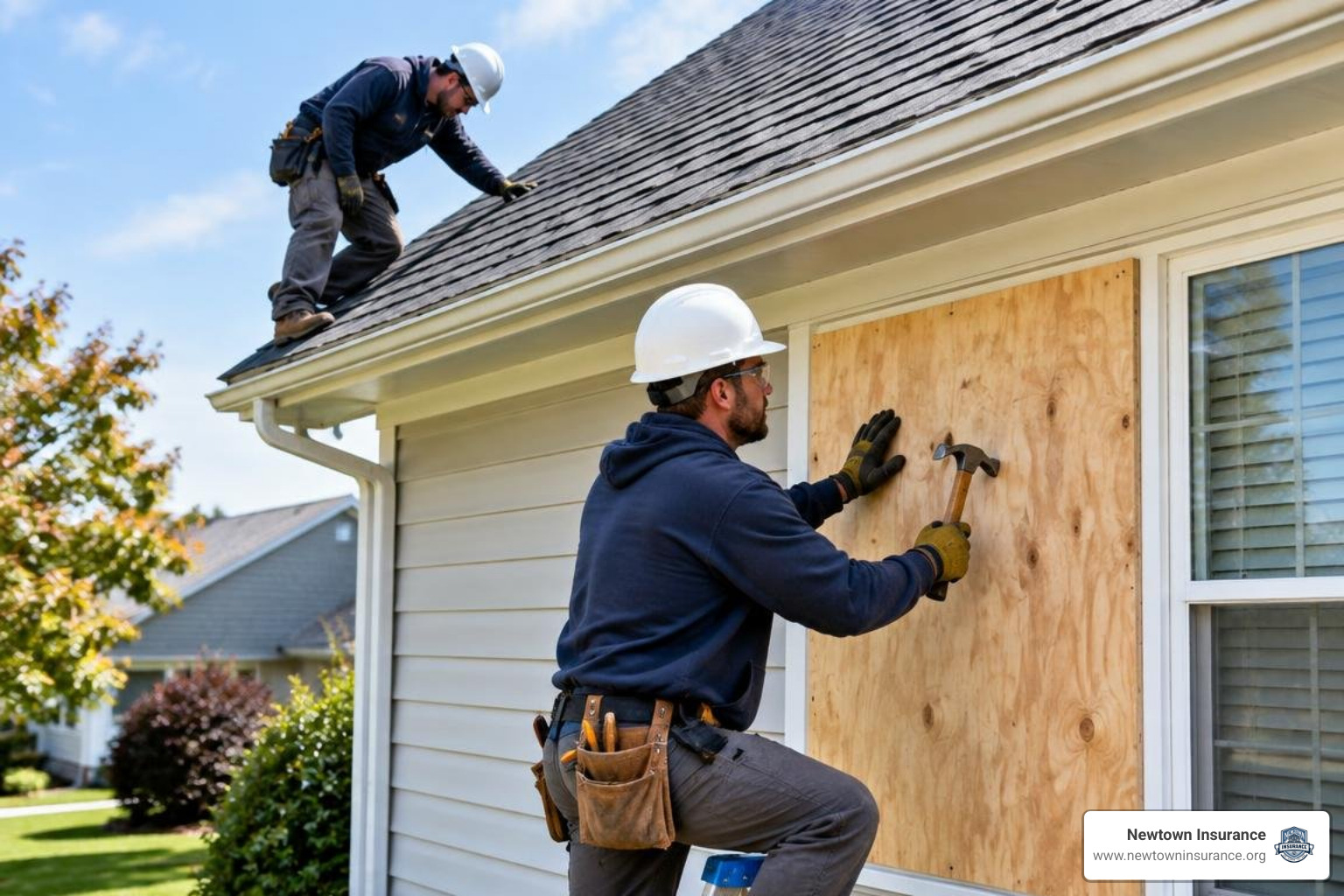
Structural Hardening and Storm Damage Protection for Openings
Protecting the envelope of your home begins at the weakest entry points: windows, exterior doors, patio tracks, and roof decking. High-speed winds can turn loose outdoor items into airborne projectiles capable of shattering glass and allowing rapid water intrusion.
- Window and Opening Defense: Install permanent impact-rated storm shutters or prepare precut 3/4-inch marine-grade plywood panels. Ensure DIY panels overlap window frames by at least four inches on all sides to anchor securely into structural wall studs.
- Door Reinforcement: Exterior doors should be equipped with heavy-duty deadbolts secured into wall framing. Consider upgrading to impact-resistant steel entry doors that withstand significant wind pressure.
- Sliding Glass Door Sealing: Sliding tracks are notorious for leaking under wind-driven rain. Installing watertight sliding glass door barrier systems can block up to 99% of track-level water intrusion using multi-layer foam and drainage channels.
- Roof and Gutter Maintenance: Inspect shingles, seal chimney flashing, and clear gutters and downspouts. Unclogged drainage routes prevent overflowing water from backing up under the roofline or pooling against your foundation.
Policy Audits, Endorsements, and Home Inventories
Physical safeguards must be matched with adequate policy limits. A thorough annual review ensures your coverage reflects current reconstruction costs and valuable possessions.
- Replacement Cost vs. Actual Cash Value: Confirm whether your roof and personal belongings are insured for Replacement Cost Value (RCV) rather than Actual Cash Value (ACV), which subtracts depreciation.
- Scheduled Items: Standard personal property coverage has specific sub-limits for valuables like jewelry, fine art, and high-end electronics. Adding scheduled personal property coverage guarantees full coverage without standard deductible limitations.
- Building Code Upgrades: Consider an Ordinance or Law endorsement, which covers the added expense of rebuilding a damaged structure up to modern municipal building codes.
- Digital Asset Inventory: Document your possessions using high-resolution video walk-throughs, capturing serial numbers, receipts, and closet interiors. Store these files securely in cloud storage.
Evaluating your policy limits against current building inflation keeps you from being underinsured. You can explore average Pennsylvania home insurance rates to ensure your dwelling coverage matches realistic regional repair costs.
Immediate Post-Storm Action: Mitigation, Temporary Fixes, and Filing Claims
The hours immediately following a severe weather event require decisive action to protect both your safety and your insurance settlement.
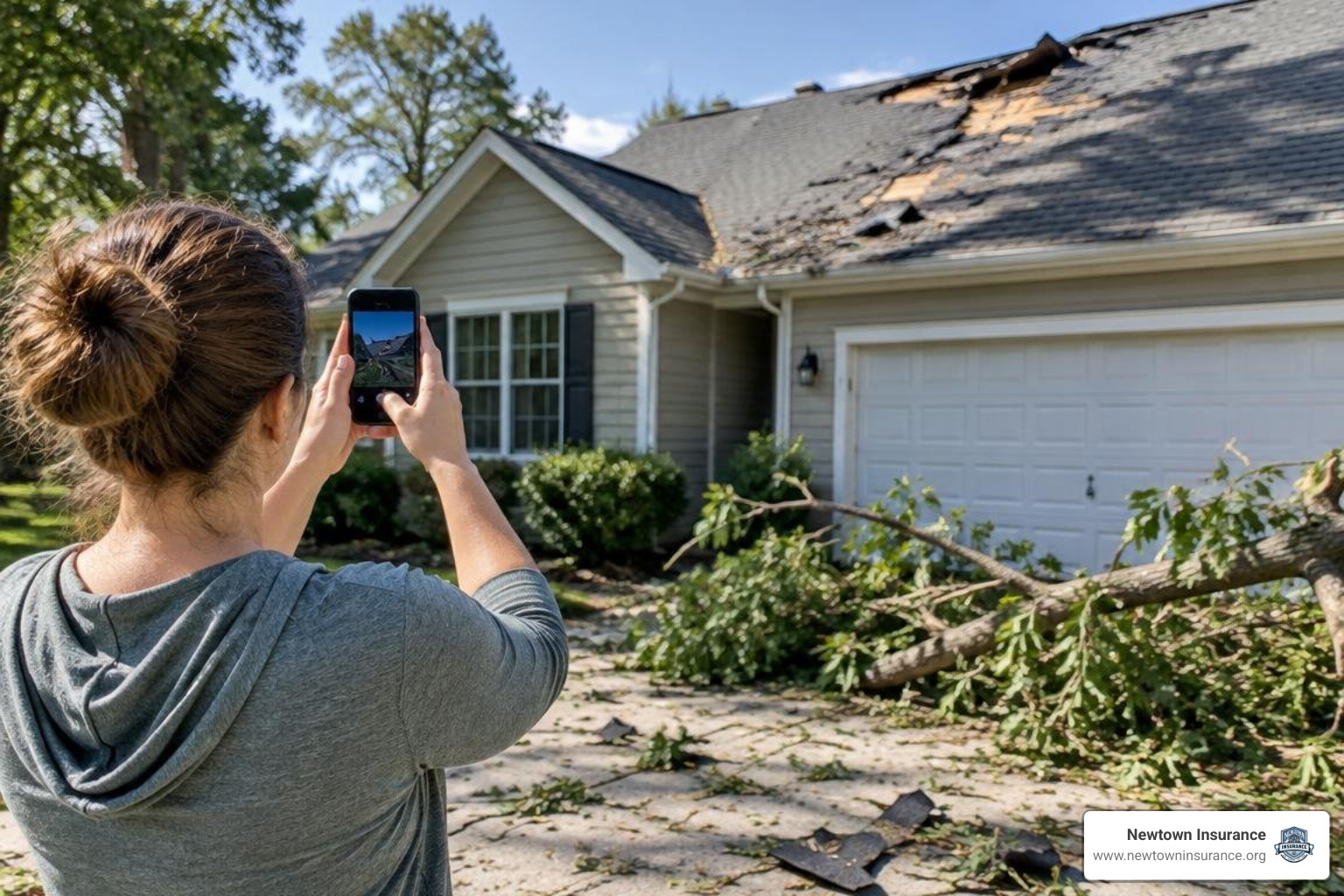
Documenting Structural Losses and Securing Evidence
Before picking up a broom or clearing fallen branches, document every trace of storm damage thoroughly. Visual records provide indisputable proof of the loss condition when claims adjusters inspect the site.
- Capture Wide and Close-Up Shots: Photograph exterior roof damage, broken windows, water intrusion pathways, fallen trees, and cracked siding from multiple angles.
- Record Video Walk-Throughs: Narrate a walk-through of the home, explaining what happened and pointing out visible water marks or damaged structural elements.
- Preserve Damaged Items: Avoid throwing away ruined carpets, furniture, or damaged building materials until the insurance adjuster has inspected them in person. If municipal health codes require the removal of wet items, store them in an outdoor area or photograph them thoroughly before disposal.
Innovative Emergency Repairs for Storm Damage Protection
Under every standard insurance contract, policyholders have an explicit duty to mitigate damages—meaning you must take reasonable steps to prevent further secondary losses. Failing to cover a broken skylight or exposed roof can result in the insurer denying subsequent water damage claims that occurred after the initial storm.
Traditional blue polyethylene tarps secured with ropes and 2×4 lumber often tear loose or leak during subsequent rainfall events. In fact, standard tarps fail multiple times during extended repair timelines, often creating additional roof perforations from nail holes and heavy sandbags.
Modern mitigation relies on advanced polymer barriers. Utilizing advanced heat-shrink temporary roof protection provides a 100% watertight polymer film that heat-shrinks directly to the damaged roof structure. This durable wrap resists winds up to 160 km/h and hail impact for up to 12 months, keeping your home completely sealed until permanent restoration begins.
Navigating the Claims Process for Maximum Payouts
Filing your claim swiftly and maintaining structured records streamlines your payout:
- Notify Your Carrier Immediately: Report the claim as soon as it is safe to do so. Provide your comprehensive photo and video evidence.
- Track Mitigation Expenses: Keep all receipts for emergency supplies, including tarps, professional water extraction, board-up services, and specialized entry barriers. These mitigation costs are typically reimbursable under your dwelling coverage.
- Request Emergency Advance Funds: If severe damage forces your family out of the home, ask your adjuster for an advance payment to handle immediate emergency purchases.
- Document Displaced Living Costs: Save every receipt for hotels, short-term rentals, restaurant meals, and pet boarding. These expenses fall under additional living expense coverage, ensuring you maintain your standard of living while repairs are underway.
Safeguarding Your Recovery: Vetting Contractors and Preventing Fraud
Following localized storms, neighborhoods are frequently targeted by unlicensed contractors and out-of-state “storm chasers.” Protecting your home means exercising caution when hiring repair teams.
Spotting Repair Scams and Deductible Waiver Schemes
One common post-disaster scheme involves dishonest contractors offering to “waive,” “absorb,” or “rebate” your insurance deductible. They may claim they can inflate billing line items on your estimate so the insurance company covers the entire cost without any out-of-pocket payment from you.
This practice is illegal insurance fraud. State insurance regulations explicitly require policyholders to pay their stated policy deductible. Insurers can demand proof of payment—such as a cleared check, bank statement, or credit card receipt—before releasing final depreciation payments. Accepting a deductible waiver can void your claim and expose you to legal penalties.
Take time to review your policy details and make sure you have a clear understanding of your home insurance deductible structure, whether it is a flat dollar amount or a separate wind/hail percentage deductible.
Frequently Asked Questions About Storm Damage Insurance Claims
What is the difference between flood damage and storm-related water damage?
The key difference lies in the water’s source and movement. Storm-related water damage happens when severe weather damages your home’s exterior—such as high winds tearing off shingles or hail breaking a window—allowing rain to enter from above. This is generally covered by standard homeowners insurance. Flood damage occurs when rising surface water inundates dry land and enters your home from the ground up, which is excluded from standard policies and requires separate flood insurance.
Can a contractor legally pay or waive my insurance deductible?
No. Contractors cannot legally pay, rebate, or waive an insurance deductible. Your deductible is a binding contractual obligation between you and your insurer. Schemes that promise free roof replacements through inflated billing represent insurance fraud and can lead to claim denial or legal prosecution.
Does homeowners insurance cover living expenses if my home is uninhabitable after a storm?
Yes. If a covered peril renders your home unlivable, the Loss of Use (Additional Living Expenses) provision helps reimburse the increase over your normal living costs. This includes hotel stays, rental house fees, restaurant meals, laundry expenses, and temporary pet boarding while your primary residence is being restored.
Conclusion
Protecting your home from severe weather requires a proactive approach: identifying coverage gaps before storms strike, hardening vulnerable structural openings, executing rapid post-storm mitigation, and working exclusively with reputable, verified contractors.
At Newtown Insurance, we believe that real peace of mind comes from transparent guidance and tailored policies built around your family’s needs. Whether you need to evaluate wind and hail deductibles, add sewer backup endorsements, or secure dedicated flood protection, our local specialists are here to help you safeguard your property without overpaying. Contact us today to explore custom residential coverage solutions with Newtown Insurance and ensure your home is fully protected for the seasons ahead.